The Quiet Revolution: Finding God in the Stillness of Spiritual Direction
📅
Imagine feeling adrift in a sea of constant demands, your spirit yearning for something more profound than the endless stream of notifications and to-do lists. This feeling of disconnection, of being overwhelmed by the noise of modern life, is a common experience. It's in this very space of longing that the quiet revolution of spiritual direction offers a beacon of hope.
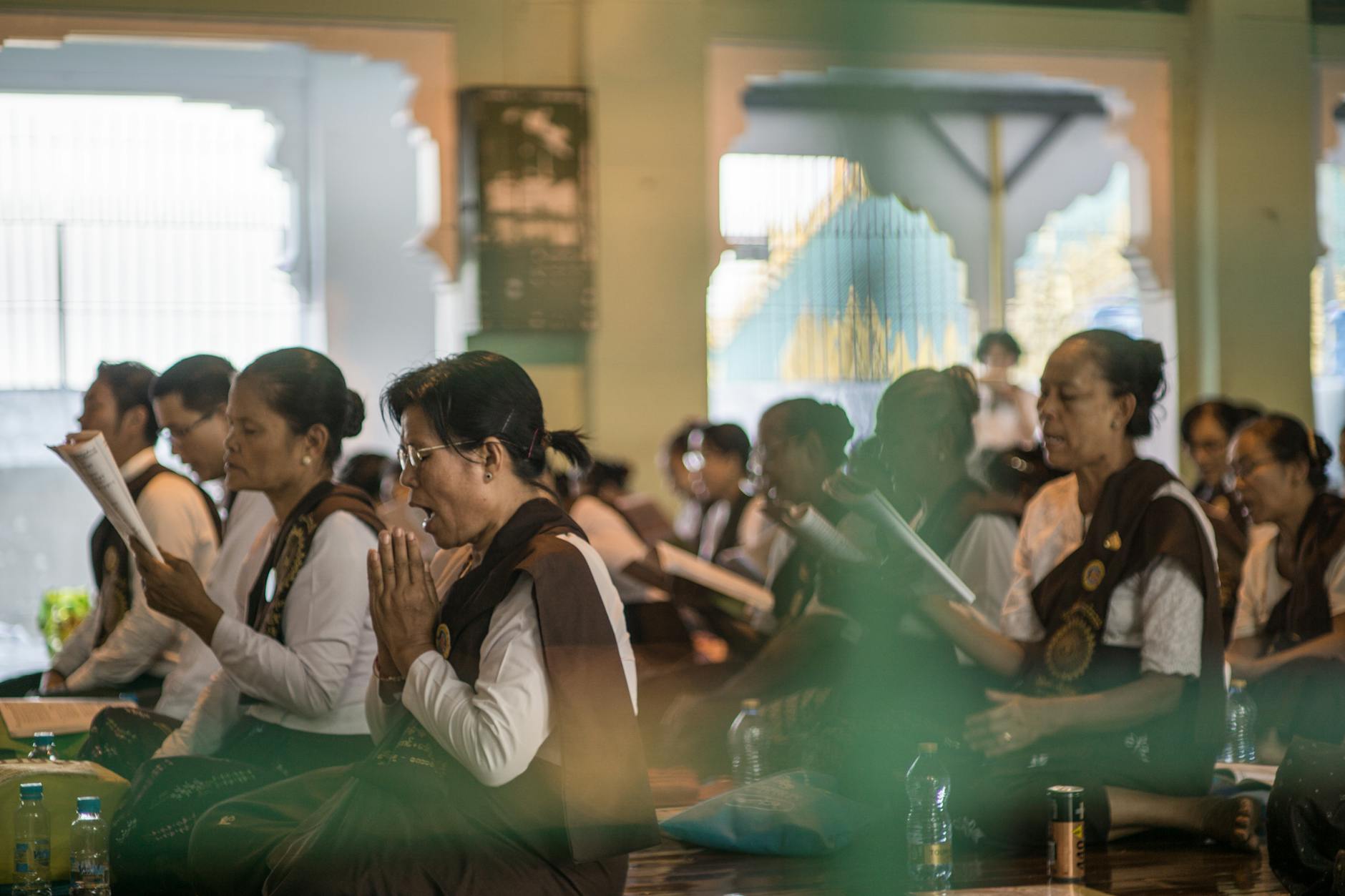 Spiritual direction, at its heart, is about cultivating a deeper, more intimate relationship with God. It's a journey of the soul, guided by a trained companion, that helps us notice the Divine presence in the everyday moments of our lives. It's about finding stillness amidst the chaos and listening for the whispers of God's voice within.
Spiritual direction offers a unique and powerful path to connect with God through holy listening, objective wisdom, and personalized spiritual guidance, helping individuals discern their calling, find balance, and embark on a more profound spiritual journey.
Spiritual direction, at its heart, is about cultivating a deeper, more intimate relationship with God. It's a journey of the soul, guided by a trained companion, that helps us notice the Divine presence in the everyday moments of our lives. It's about finding stillness amidst the chaos and listening for the whispers of God's voice within.
Spiritual direction offers a unique and powerful path to connect with God through holy listening, objective wisdom, and personalized spiritual guidance, helping individuals discern their calling, find balance, and embark on a more profound spiritual journey.
 Spiritual direction facilitates stillness by providing dedicated time and space for reflection. Guided meditation and contemplative practices can help you quiet your mind and open your heart to God's presence. Exploring personal experiences through a spiritual lens allows you to see the Divine at work in your life.
Connecting with God in stillness offers numerous benefits, including: Reduced stress and anxiety
Increased self-awareness and clarity Deeper sense of peace and purpose
Spiritual direction facilitates stillness by providing dedicated time and space for reflection. Guided meditation and contemplative practices can help you quiet your mind and open your heart to God's presence. Exploring personal experiences through a spiritual lens allows you to see the Divine at work in your life.
Connecting with God in stillness offers numerous benefits, including: Reduced stress and anxiety
Increased self-awareness and clarity Deeper sense of peace and purpose
 Resources for finding a spiritual director include denominational organizations, spiritual centers, online directories, and recommendations from trusted friends or mentors. Heartbeat Formation, led by Rev. Dr. Angela R. Hooks, offers spiritual direction for those seeking a deeper connection with God.
When interviewing potential directors, ask about their training, experience, and approach. Inquire about their educational background, any certifications they hold, and the length of time they've been practicing. Ask them to describe their own spiritual journey and how it informs their work. Share your spiritual background and goals, and trust your intuition. Choose someone you feel comfortable with.
The importance of chemistry and connection cannot be overstated. Find someone you resonate with on a personal level, someone in whose presence you feel safe and supported, and someone you can trust with your deepest thoughts and feelings. Consider scheduling an initial consultation with a few different directors to see who feels like the best fit.
Resources for finding a spiritual director include denominational organizations, spiritual centers, online directories, and recommendations from trusted friends or mentors. Heartbeat Formation, led by Rev. Dr. Angela R. Hooks, offers spiritual direction for those seeking a deeper connection with God.
When interviewing potential directors, ask about their training, experience, and approach. Inquire about their educational background, any certifications they hold, and the length of time they've been practicing. Ask them to describe their own spiritual journey and how it informs their work. Share your spiritual background and goals, and trust your intuition. Choose someone you feel comfortable with.
The importance of chemistry and connection cannot be overstated. Find someone you resonate with on a personal level, someone in whose presence you feel safe and supported, and someone you can trust with your deepest thoughts and feelings. Consider scheduling an initial consultation with a few different directors to see who feels like the best fit.
Spiritual direction cultivates a deeper, more intimate relationship with the Divine, offering a path to stillness and connection in a busy world.
Understanding Spiritual Direction
Spiritual direction provides a sacred space where you can explore your relationship with the Divine. It's a one-on-one relationship focused on your spiritual growth, emphasizing listening to God's presence and guidance in your everyday life. It's important to distinguish spiritual direction from therapy, counseling, or religious instruction. While those disciplines offer valuable support, spiritual direction specifically focuses on your connection with God and your spiritual journey. The spiritual director acts as a trained companion and guide. They provide a safe and confidential space for you to explore your thoughts, feelings, and experiences related to your faith. They offer objective wisdom and insights, helping you to discern God's presence and direction in your life, but they do not give advice. Several key principles underpin the practice of spiritual direction: Holy Listening:This involves paying deep attention to God's voice within, recognizing that the Divine speaks to us in subtle and profound ways. *Discernment:Spiritual direction helps you identify God's will and direction for your life, allowing you to make choices that align with your values and purpose. *Confidentiality:A safe space is created for vulnerability, ensuring that you can share your deepest thoughts and feelings without fear of judgment. *Respect for Individual Beliefs:Spiritual direction meets individuals where they are on their spiritual path, honoring their unique beliefs and experiences.The Power of Stillness
In a world that glorifies busyness, the importance of silence and reflection cannot be overstated. Creating space to hear God's whispers amidst the noise is essential for spiritual growth. Practicing mindfulness and presence in the moment allows us to connect with the Divine in a deeper way, overcoming the distractions of modern life.
A quiet moment of reflection by the sea, embodying the stillness needed to connect with the Divine, a central theme in spiritual direction.
What to Expect in a Spiritual Direction Session
Preparing for your first session involves setting intentions and identifying areas for exploration. Pray for guidance and openness, and gather relevant information about your spiritual journey. Consider what aspects of your relationship with God you'd like to explore. A typical session might unfold as follows: An opening prayer or moment of silence to center yourselves. Sharing your experiences, thoughts, and feelings related to your spiritual life. The director listens attentively, reflecting back what they hear and asking clarifying questions. Identifying themes and patterns in your spiritual life. Exploring potential next steps and practices to deepen your connection with God. For example, a director might ask: "Where do you feel God's presence most strongly in your life?" or "What challenges are you currently facing in your spiritual journey?" They might suggest practices like journaling, lectio divina (a method of reading and reflecting on scripture), or spending time in nature. They might also encourage you to pay attention to your dreams or to explore your creativity as a way of connecting with the Divine. During the session, focus on your relationship with God and your spiritual experiences. Be honest and vulnerable, but respect your boundaries. Avoid using the session for venting or problem-solving unrelated to spiritual growth. After the session, take time to reflect on your insights and experiences. Journaling can be a powerful tool for processing your thoughts and feelings. Pray for continued guidance and integrate what you learned into your daily life. Consider how the session's insights might inform your actions and decisions in the coming days.The Multifaceted Benefits of Spiritual Direction
Spiritual direction offers a multitude of benefits, including: *Discernment of Calling and Purpose:Identifying your unique gifts and talents and aligning your life with God's will. This can lead to finding meaning and fulfillment in your work and relationships. *Finding Balance and Integration:Connecting your spiritual life with your everyday experiences and integrating faith into all aspects of your being. Spiritual direction can also help address spiritual dryness and challenges. *Embarking on a Deeper Journey with the Divine:Cultivating a more intimate relationship with God and growing in faith, hope, and love. This can lead to experiencing greater joy, peace, and freedom. *Overcoming Spiritual Obstacles:Addressing doubts and fears, healing from past hurts and traumas, and breaking free from limiting beliefs and patterns.Finding the Right Spiritual Director
When seeking a spiritual director, look for someone with training and experience, alignment with your spiritual tradition or beliefs, strong listening skills, and empathy. They should also provide a safe and confidential presence.
Spiritual direction can help individuals discern their calling, find balance, and embark on a more profound spiritual journey.